FROM QUAY TO TABLE
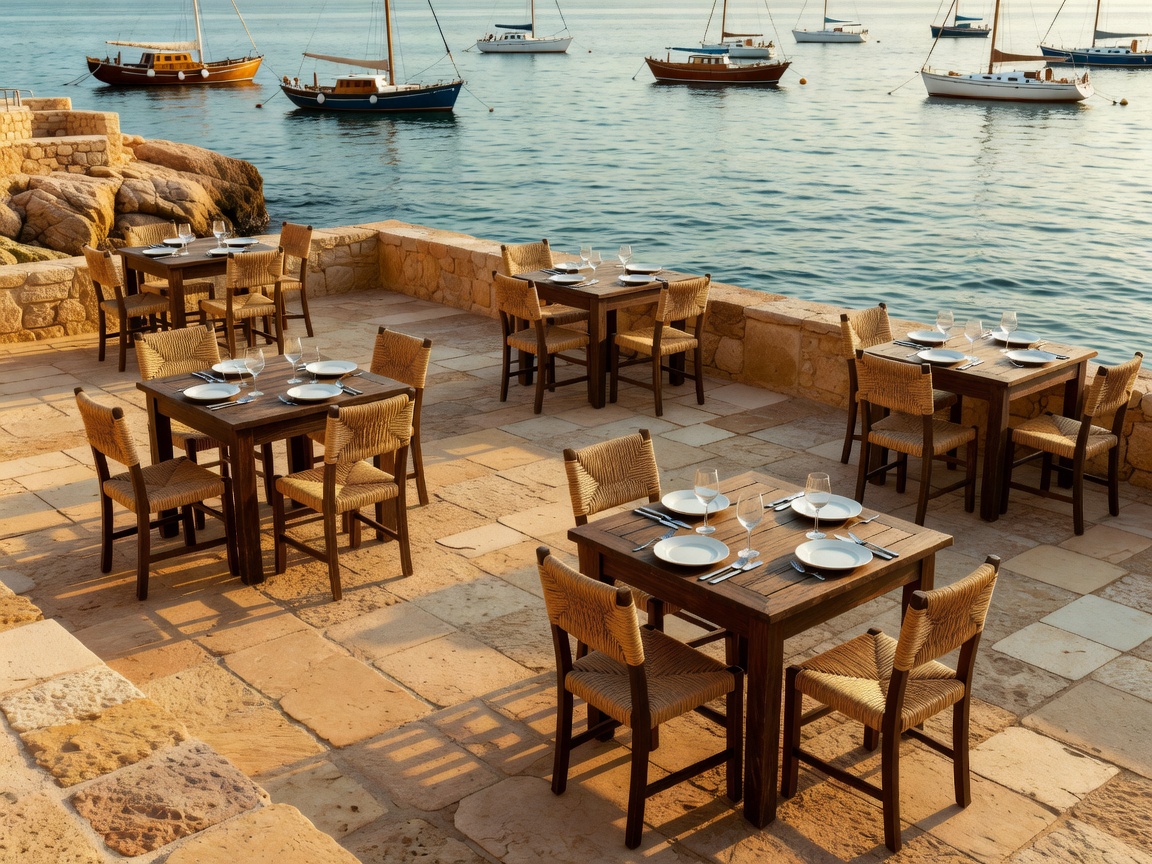
Waterfront does not always mean waterside access
Marina restaurants, harbour-front dining rooms and coastal terraces can all offer a strong sense of place, but each has a different relationship to the shore. A restaurant may overlook the water yet be reached only by a public street. Another may sit within a controlled marina area, where visitor access follows local procedures. A view from a table does not mean a vessel can approach, tie up or receive service. Confirm arrangements with the restaurant and relevant marina or harbour authority rather than making assumptions.
In a working harbour, restaurants share the waterfront with maritime activity, local businesses and public movement. In a resort marina, dining may be arranged around a promenade or basin with a visitor-focused atmosphere. Both can be rewarding; the first may feel closely connected to local routines, while the second may make a relaxed evening stroll easy. Consider the setting you prefer, along with distance from your berth or accommodation and the practicality of getting there.
Plan an arrival that works
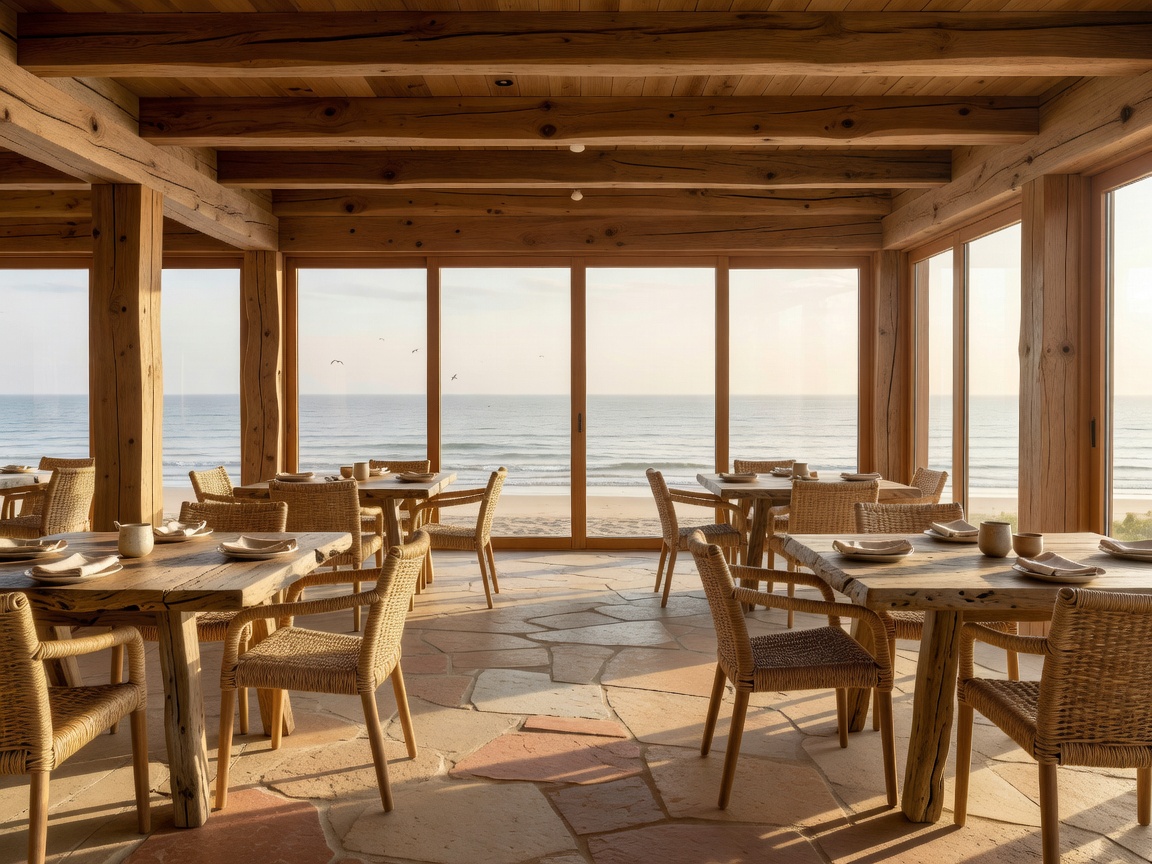
Reservation planning is especially useful in seasonal destinations, when demand and operating patterns may shift. Check opening hours for the date you intend to visit, and ask how reservations are handled, whether a particular party size can be accommodated and what happens if plans change. Do not rely on old listings or a social post for current information. If you are arriving from a vessel, ask whether access through the marina is permitted, whether a tender landing is possible under local rules, and where a visitor should meet the group. Direct yacht access must never be assumed.
Accessibility is part of practical hospitality. Ask about step-free entrance, accessible toilets, seating options, route surfaces, lighting and any relevant distance from the public road or waterfront. If travelling with children, confirm whether the setting suits your party and whether high chairs or other needs can be accommodated. These details vary by establishment and can change; specific, direct questions are more useful than broad claims.
Read the menu with curiosity
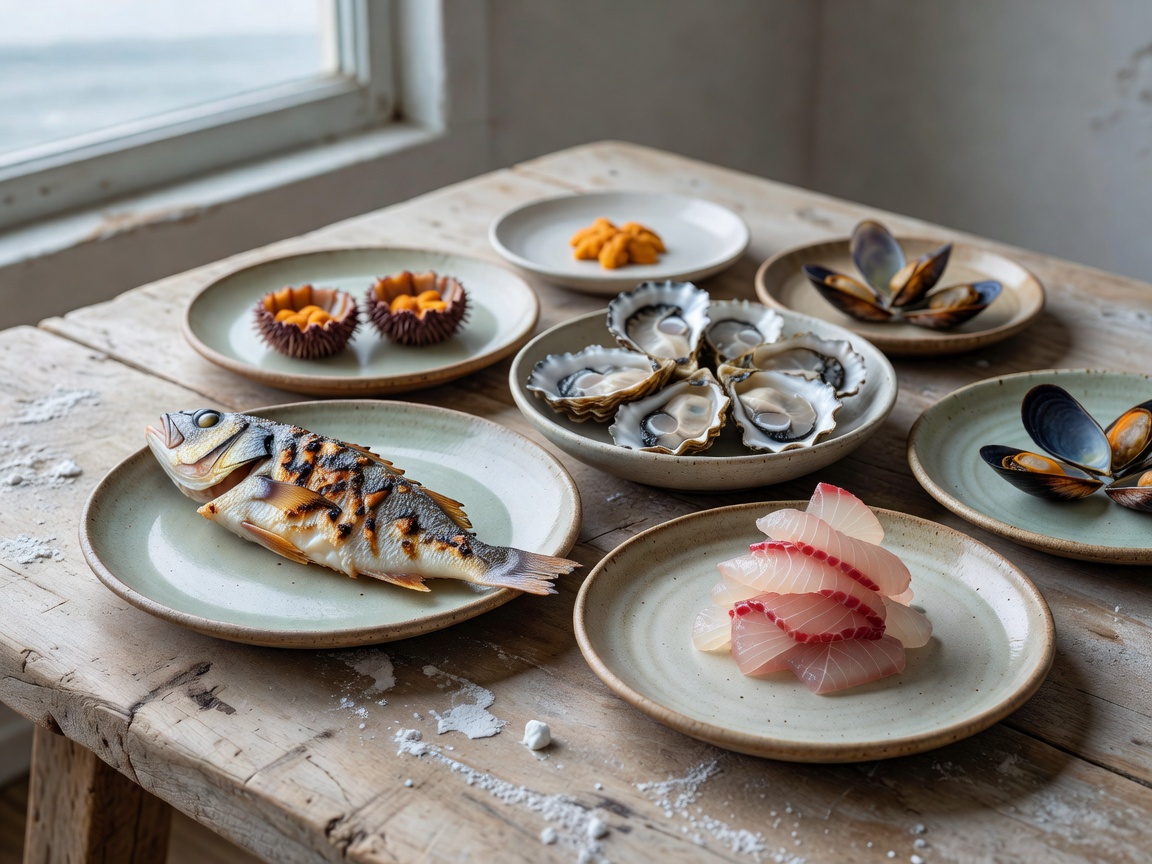
Local cuisine can make a meal feel rooted in the coast, whether a menu reflects regional produce, island traditions or the everyday cooking of a port town. Seafood may be part of that story, but responsible choices matter. Look for clear sourcing information and ask about seasonality or origin when it is relevant. Avoid assuming that a picturesque location guarantees a particular kind of menu or sourcing standard.
Menus and prices can change. Review current information directly with the restaurant, including dietary details, allergen procedures, service charges or other costs where disclosed. If someone in your party has a dietary requirement, contact the venue ahead of time rather than relying on a menu description alone. A thoughtful restaurant can usually explain what is possible, but the details should be confirmed with the people preparing and serving the food.
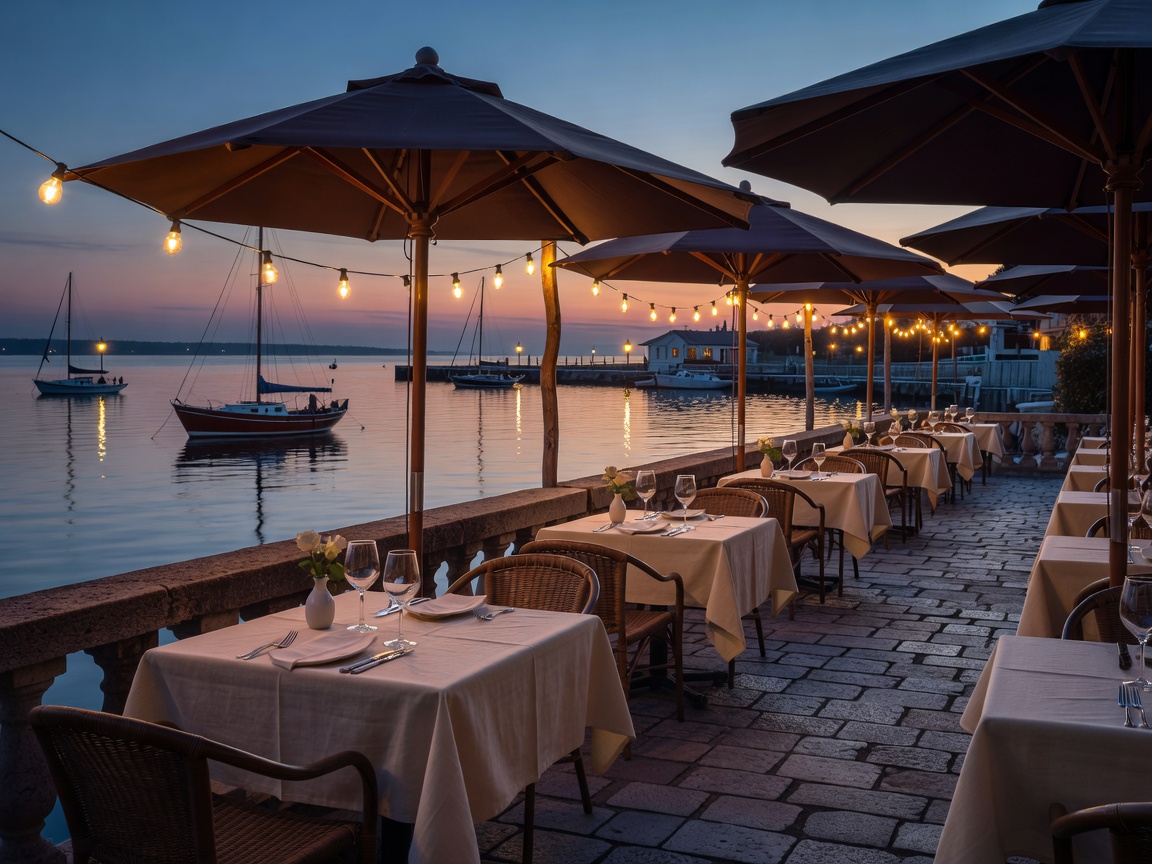
A coastal dining room can be elegant, informal, family-oriented or centred on a quick meal between activities. Look for a clear sense of the occasion you want. An exposed terrace may offer a striking view but be less comfortable in strong sun or changing weather; an indoor room may be quieter or more accessible. Consider shade, seating, noise, walking distance and whether a relaxed meal fits the schedule of your day.
Restaurant-selection checklist
- Confirm current opening hours, reservation arrangements and menu details directly.
- Ask about access from the public street, marina or harbour; do not assume boat-side service.
- Discuss accessibility, dietary requirements and allergies before arriving.
- Check price information and any disclosed additional charges.
- Consider shade, weather exposure, distance and transport for the return journey.
- Where seafood is important, ask about sourcing and choose responsibly.
Good harbour dining is a balance of setting and useful detail. Let the view draw you in, then make the visit comfortable by checking how to arrive, what to expect and whether the menu suits your party. This guide is editorial and does not verify named businesses, current prices, menus, ratings or opening hours.