READING THE WATERFRONT
Look beyond the first impression
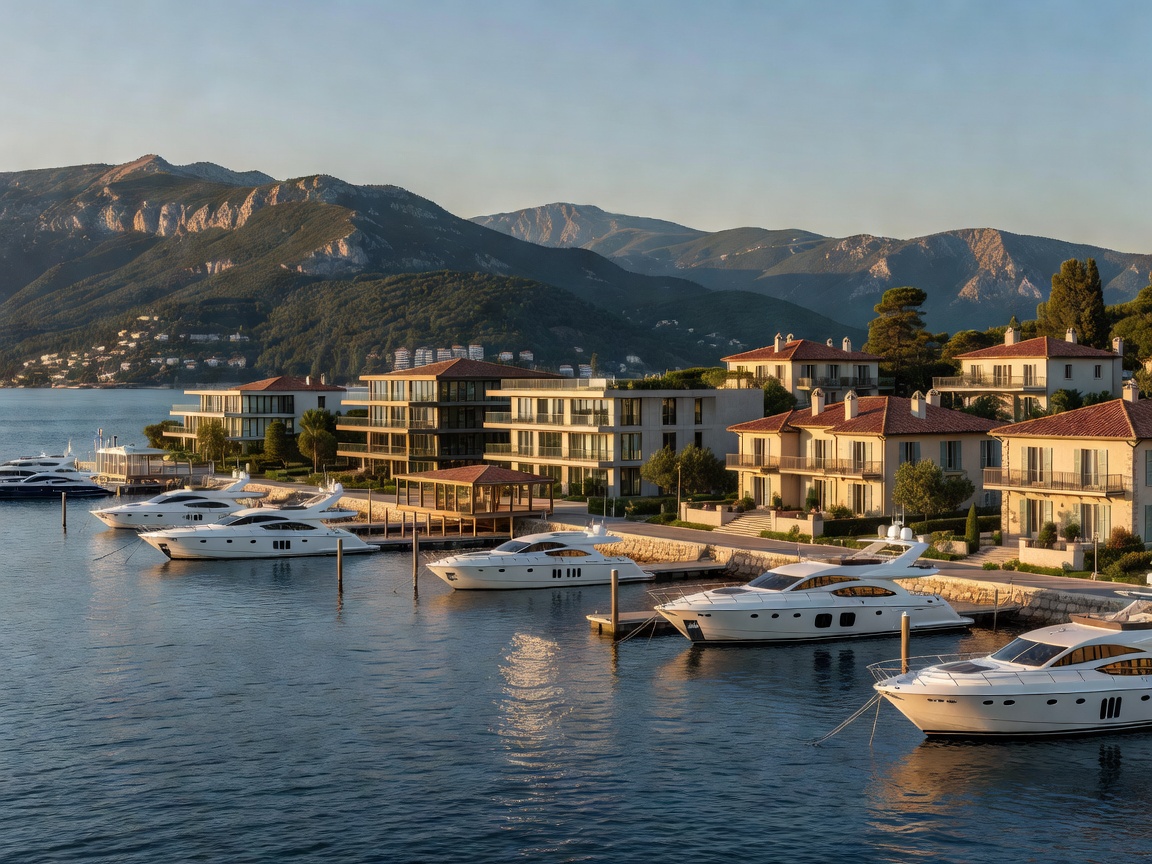
Marinas differ in form as much as destinations do. Some sit inside historic ports, where quays, town streets and public spaces have grown together over generations. Others are purpose-built waterfront districts, with a planned basin, promenade and a clearer separation between visitor services and the older town. Neither arrangement is automatically better. The useful question is how well the setting fits the kind of visit you have in mind.
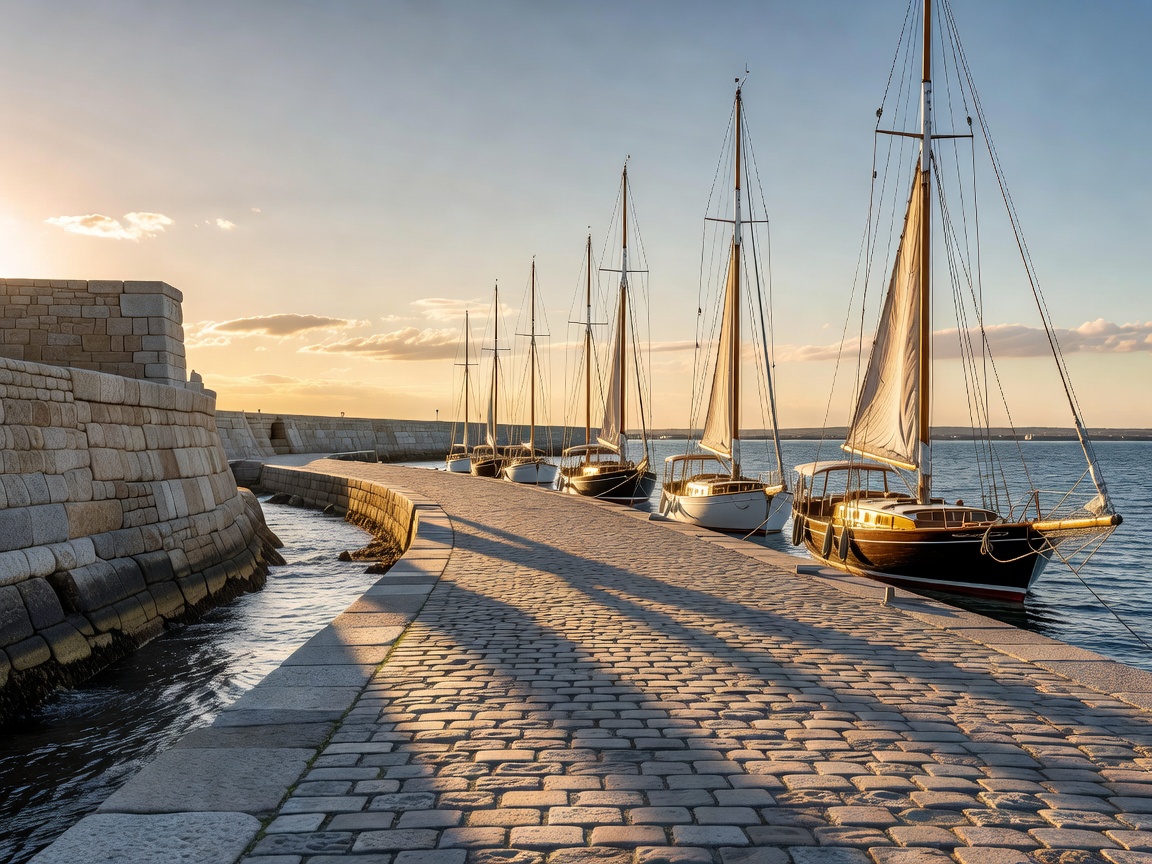
Begin with the layout. A protected basin may feel contained and easy to understand, while an open harbour edge can create a stronger connection to the wider town and sea. Look at how pontoons, quays and walking routes relate to one another. Consider whether the waterfront is pleasant to explore on foot, whether public spaces invite people beyond marina users, and how busy service areas meet quieter promenades. A map or recent visitor information can help establish the overall pattern, but conditions and access arrangements should always be checked directly.
Facilities, access and the shore-side day
Facilities are a selection criterion, not a visual detail. Different visitors may need different combinations of assistance, shore access, transport, provisions or accessible routes. Do not assume a service is available because a destination is well known. Confirm what is offered, who can use it, any applicable procedures and whether arrangements change by season. This is especially important when a visit depends on mobility access, a particular type of assistance or a tight onward connection.
Access to the town centre can define the character of a stay. A central harbour may put museums, cafés, waterfront streets and public transport within an easy walk, but it may also bring more activity, traffic or noise. An out-of-town marina can offer a quieter setting and a more open coastal outlook, while making a taxi, shuttle or other transport part of everyday planning. Think about how often you want to move between the boat, accommodation and town, and whether the route between them is comfortable after dark or in hot weather.
Transport connections deserve the same care as the harbour itself. Check the current options from airports, rail stations and ferry terminals through official sources. Ask whether local buses, taxis or other services are practical for your timing, luggage and group. The presence of a nearby road or station does not necessarily mean that the last stretch is convenient.
Historic ports and planned marinas
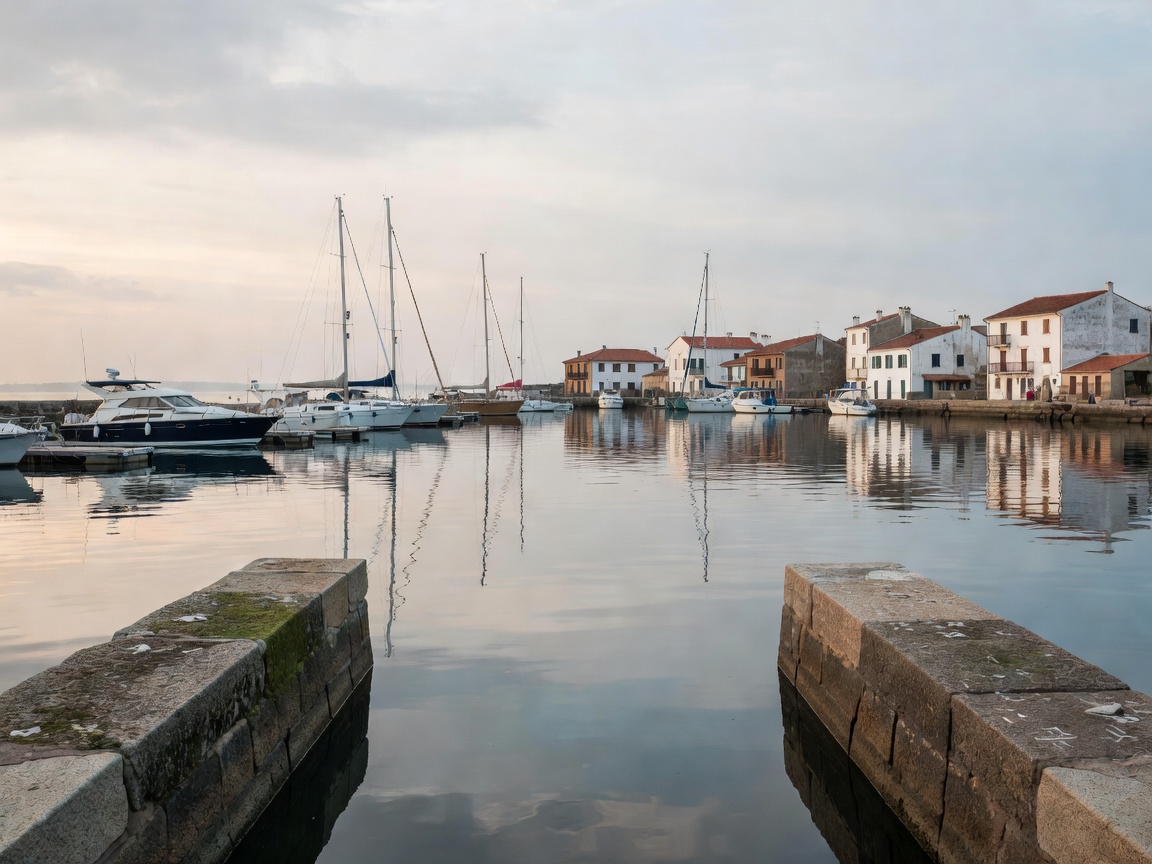
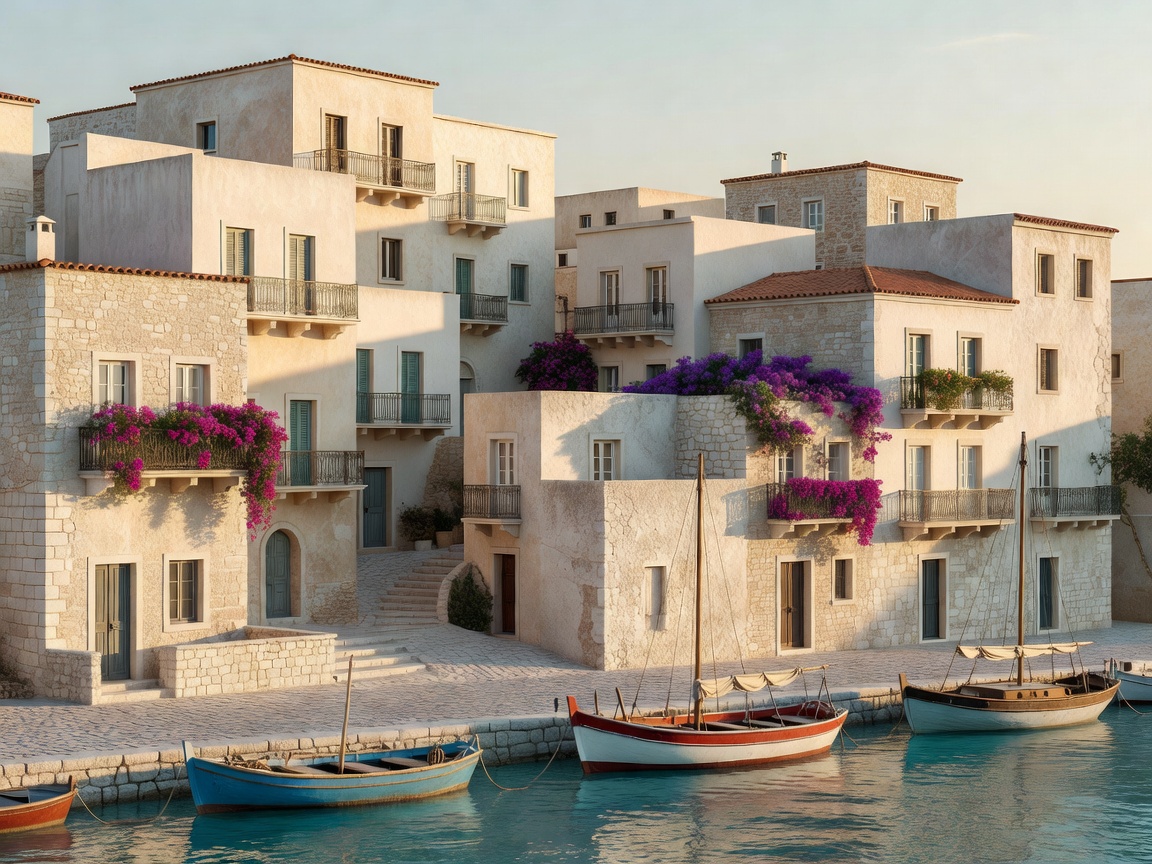
Historic ports often reward slow exploration. Their scale, materials and street pattern reveal how maritime trade and local life shaped the town. Port Hercule in Monaco, Port Vauban in Antibes and Port de Palma in Mallorca are real, recognisable waterfront settings, each situated within a different urban context. These examples are not endorsements or recommendations of current services; visitors should consult the relevant port and destination authorities for current information.
Purpose-built marinas can make waterfront circulation more legible and bring hospitality or public spaces close to the basin. Porto Montenegro in Tivat is an identifiable contemporary waterfront development, while ACI Marina Dubrovnik sits within the broader coastal setting of Dubrovnik. A designed promenade may be comfortable and direct, though it can also feel distinct from the historic town nearby. Decide whether your priority is a quieter waterfront routine, immediate access to cultural life, or a balance between the two.
Coastal exposure also matters. Wind, swell, heat and local weather patterns affect comfort and operational decisions. A sheltered appearance in a photograph is not evidence of conditions on a particular day. Seek current local guidance, respect harbour instructions and avoid treating general travel writing as navigation advice. Consider the environmental sensitivity of the shore: use established paths, follow local waste and water rules, and be thoughtful around protected habitats.
A practical marina-destination checklist
- Confirm current access procedures, services and any local rules directly with the relevant authority.
- Check how the harbour connects to the town, transport, accommodation and everyday amenities.
- Consider exposure, season, walking distances, shade and accessible routes.
- Understand the difference between public promenade areas and controlled or operational zones.
- Look for responsible waste, water and wildlife practices and follow local guidance.
- Allow flexibility for transport changes, weather and service availability.
A destination is most useful when it works both on the water and on foot. A little research into layout, access and local character often reveals more than a glossy overview. These considerations are general editorial guidance; they do not confirm current berth availability, fees, dimensions, service inventories or operating conditions.