A FLEXIBLE COASTAL FRAMEWORK
Start with a region, not a timetable
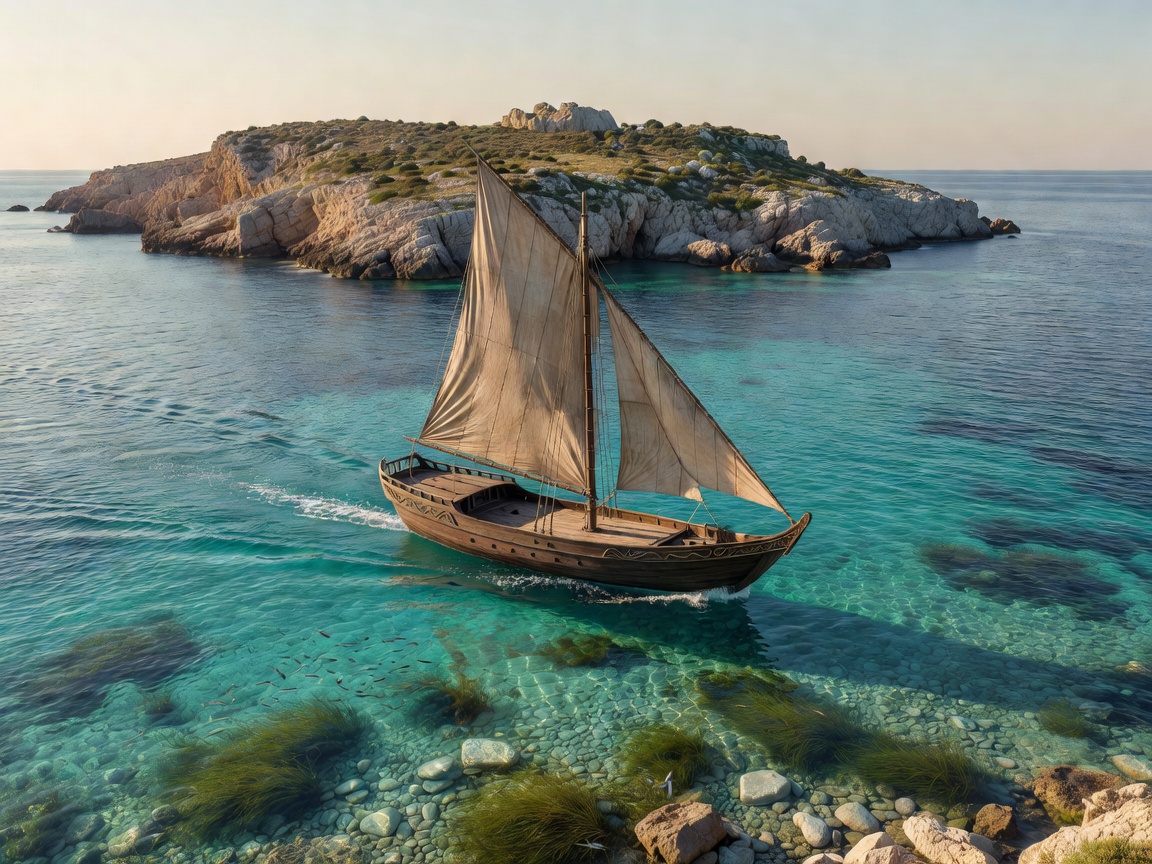
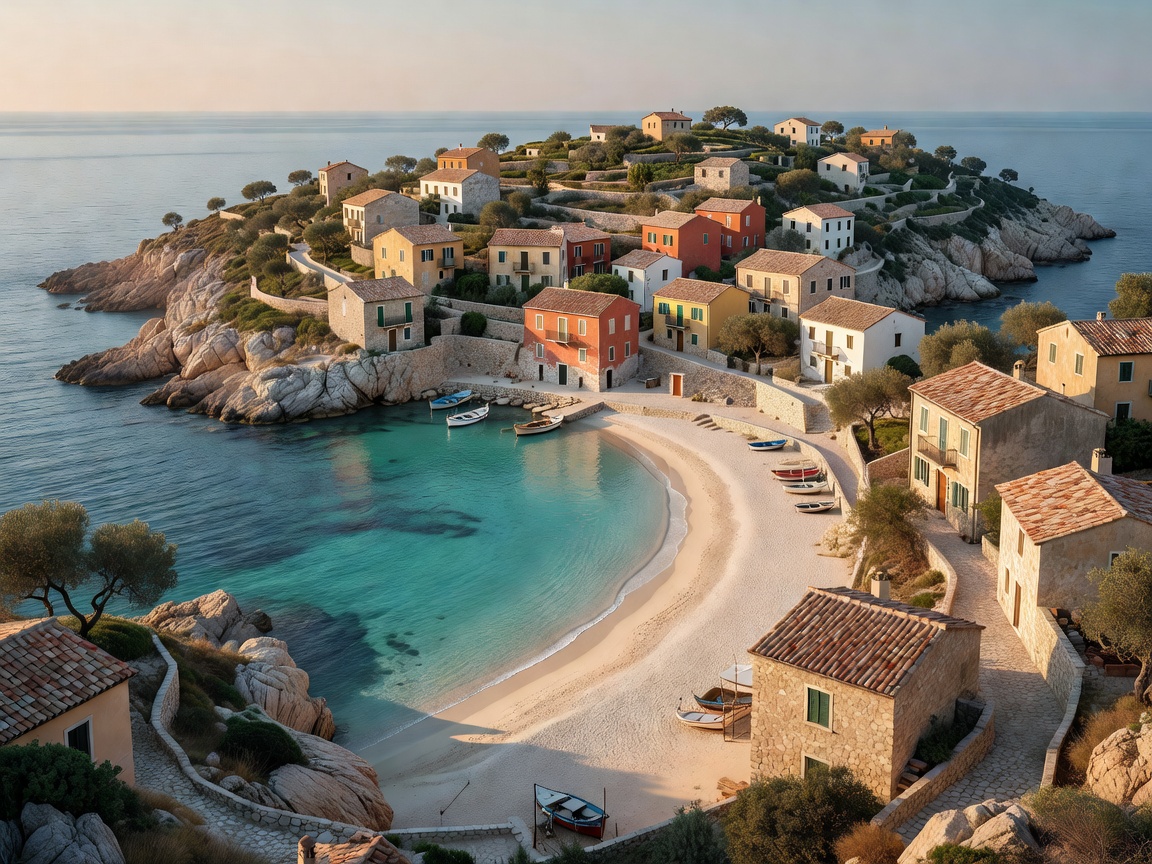
The Mediterranean is not one uniform sailing environment. The French Riviera combines prominent coastal towns with busy urban waterfronts; the Balearic Islands invite consideration of island landscapes and varied shore-side character; Italian coastal regions connect ports with distinct local traditions; and Greek island sailing brings a wide range of island settings and local conditions. Along the Adriatic, Croatian coastal and island destinations offer another rich context for combining harbour visits with time ashore. These broad descriptions are starting points for research, not claims about current conditions or a recommendation of any route.
Choose a region by asking what kind of coast you want to experience. Are you drawn to historic port streets, smaller island communities, contemporary marina districts, beach landscapes or a mix? How much time do you want to spend ashore? Would you prefer to return to one base or move between overnight stops? The answers can help shape an itinerary framework, but vessel capability, crew experience, weather, local navigation rules and available services determine what is feasible in practice.
Build room for change
Weather awareness is fundamental to route planning. Conditions can change, and local effects may differ from a broad regional outlook. Use official marine forecasts and current charts, consult port authorities where appropriate, and seek advice from qualified local professionals. A destination article cannot establish whether a passage is suitable on a particular day. Do not treat illustrative itinerary ideas as sailing instructions, verified times or distances.
Overnight stops should be considered in relation to actual local procedures and current availability, which must be confirmed directly. Think about the needs of the crew, the vessel, shore access, provisions and contingency options. A town that looks close on a map may involve a different approach, local restrictions or access arrangements. Keep alternative plans open and ensure the person responsible for navigation uses reliable, up-to-date operational information.
Respect local rules and environmentally sensitive areas. Check regulations before entering protected waters or landing, observe speed and anchoring restrictions where applicable, and avoid disturbing wildlife or fragile habitats. Use established waste facilities, prevent pollution and follow instructions from local authorities. Responsible travel includes recognising that a beautiful anchorage is also part of a shared and sometimes protected environment.
Illustrative itinerary framework
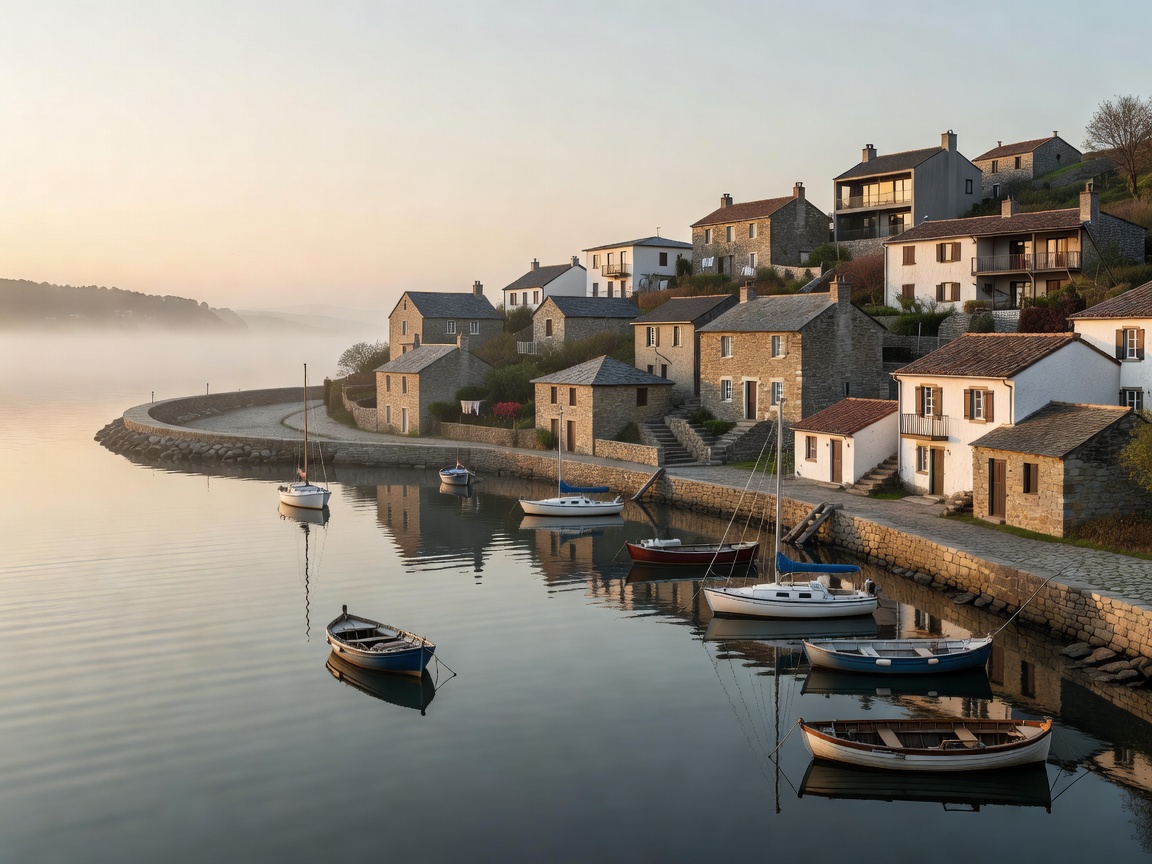
The following sequence is a planning prompt only, not a confirmed route: choose a coastal region and a shore-side theme; identify a possible first harbour town for arrival and orientation; leave a flexible window for a second stop or a longer stay; make time for local food, architecture or a walk; and hold a contingency day or alternative destination in mind. The sequence does not imply a distance, sailing time, safe passage, berth availability or navigational suitability. Those decisions require current official information and competent operational judgement.
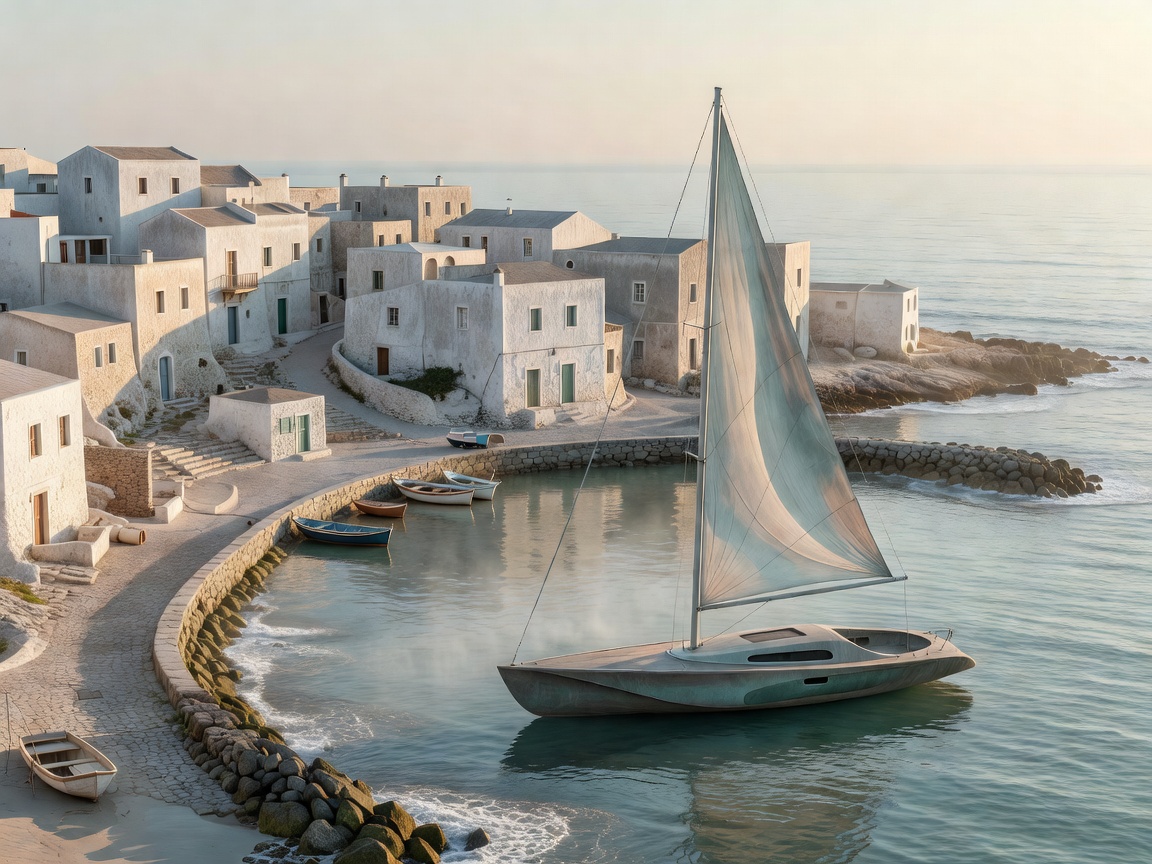
Combining sailing with hotels and restaurants calls for coordination on both sides of the waterfront. Confirm accommodation dates and cancellation terms, understand how to reach a hotel from shore, and check current restaurant hours and reservations directly. A marina view does not imply a transfer service, and a waterfront restaurant does not automatically allow direct yacht access. Make each element work independently rather than relying on assumptions.
Questions to resolve before departure
- Have you consulted current charts, official marine forecasts and relevant local authorities?
- Does the plan suit the vessel, crew experience, changing conditions and available contingency options?
- Have you checked local rules, protected areas and environmental guidance?
- Are overnight arrangements and shore access confirmed through appropriate current sources?
- Can accommodation, dining and shore excursions be changed if the itinerary shifts?
- Is there enough time for rest and flexibility rather than a tightly fixed sequence?
Good route inspiration helps you imagine the coast; responsible planning turns that interest into a safe, well-informed journey. This guide offers destination context only. It is not navigation advice, and no route, weather, distance, passage time, port requirement or berth availability is verified here.