READING THE EDGE
Where the town meets the water
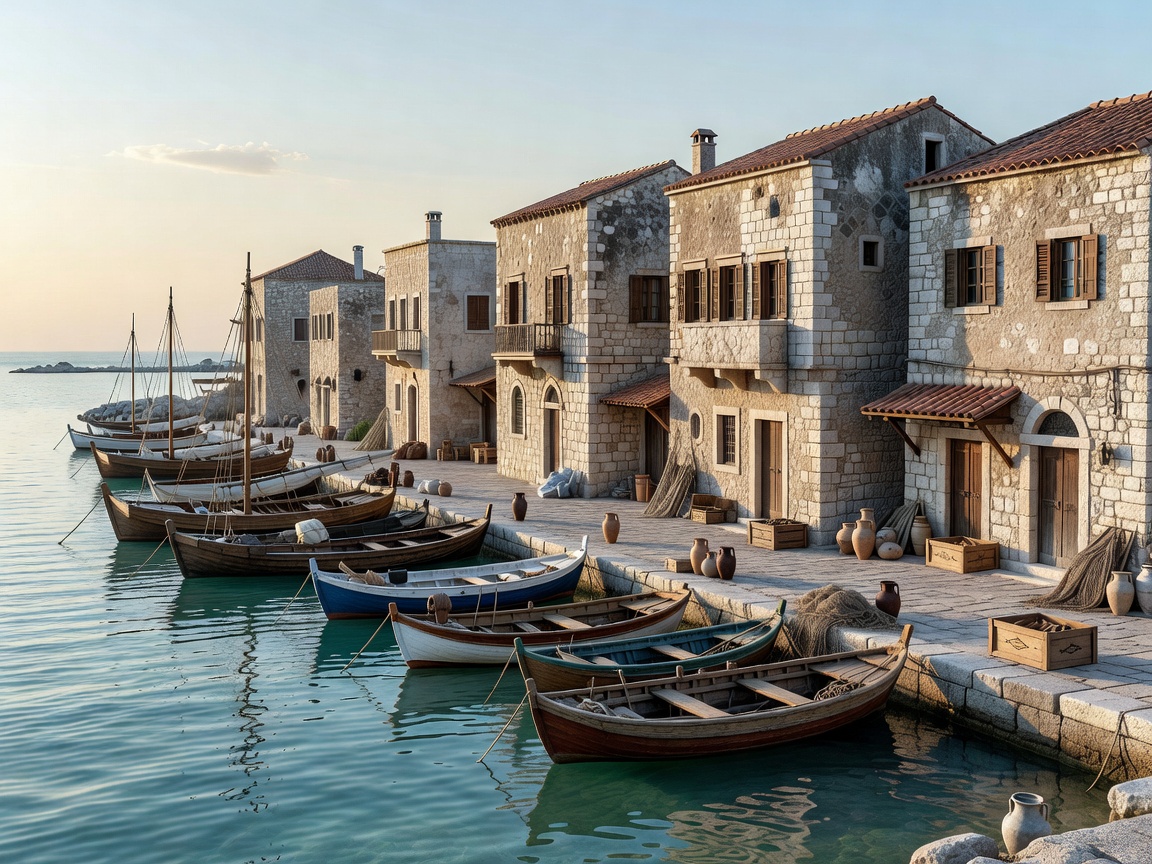
Historic port towns often grew in close relationship with their harbour. Quays, warehouses, civic buildings, narrow streets and public steps can record layers of maritime life. Their waterfronts may feel irregular and intimate, shaped by changing shorelines and generations of use. A walk through Valletta, Dubrovnik, Antibes, Barcelona, Palma de Mallorca or Monaco can reveal different relationships between the city and the sea, though the details of each setting should be understood on their own terms rather than folded into one generic image of a Mediterranean port.
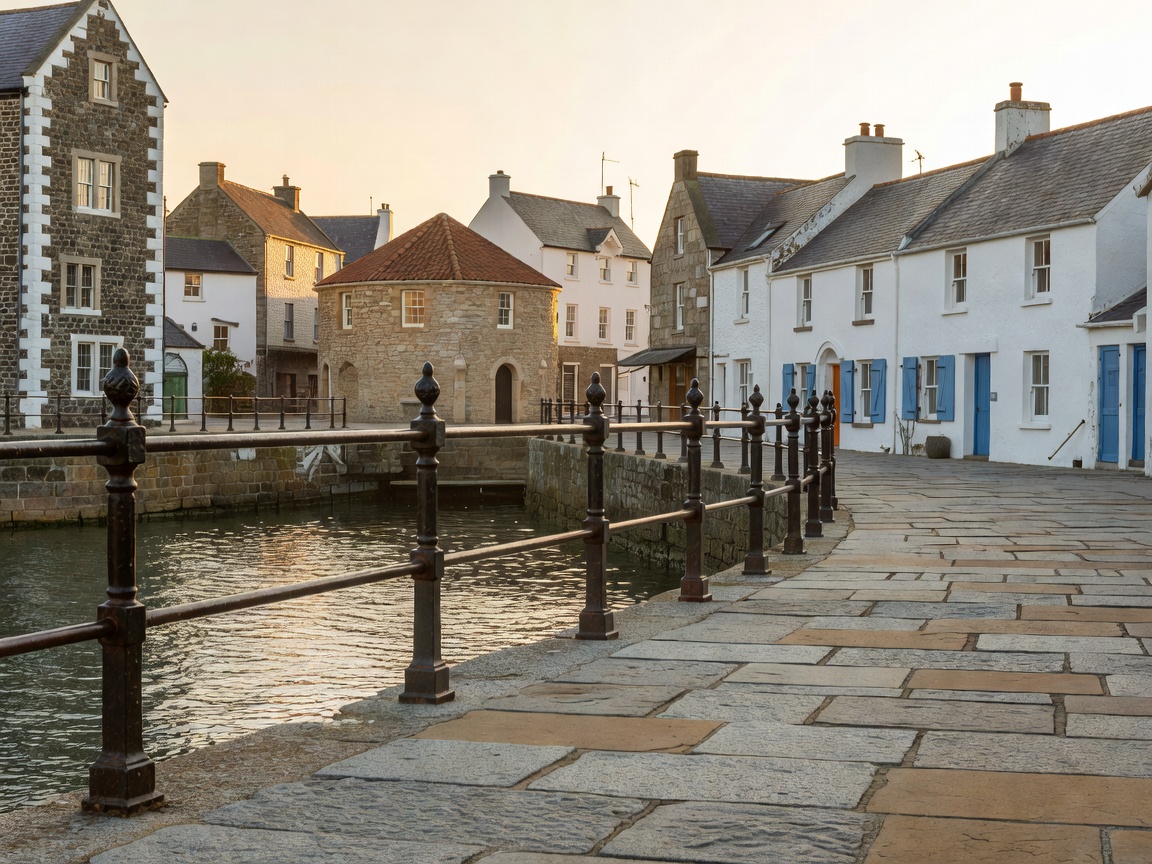
Contemporary marina developments often organise movement around a basin, with promenades, hospitality and newer architectural forms meeting the water. These places can make the shore more legible and create public-facing routes, but the experience depends on how spaces connect to the wider city and who can access them. Historic harbour and contemporary marina are not opposing categories: many destinations contain both, and each contributes a different layer to the waterfront.
Materials that respond to place
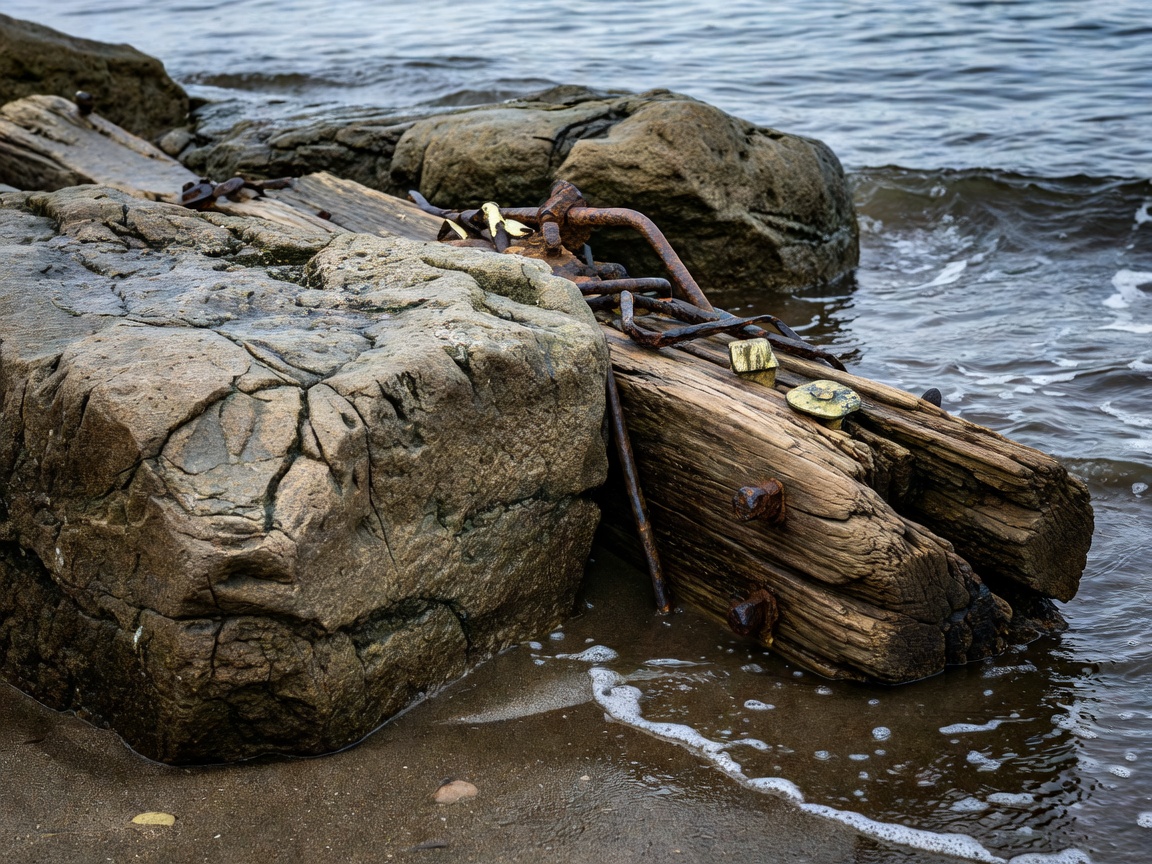
Stone, timber, glass and metal each meet coastal conditions in different ways. Stone can lend a sense of weight and continuity; timber may bring warmth and a tactile scale; glass can frame water and light; metal can express structure or stand up to demanding environments when appropriately detailed. Their performance depends on design, maintenance and exposure. Salt, sun, wind and moisture affect materials over time, so a convincing waterfront building is not only about appearance but also about how it weathers and is cared for.
Climate influences form. Shade, ventilation, sheltered openings and durable surfaces can support comfort in hot, bright conditions, while entrances and public routes need to consider wind, rain and changing water levels. The harbour itself is active and sometimes noisy; buildings that acknowledge this context can feel more grounded than those that treat the water only as a backdrop. Quays, piers and steps are functional structures, but they also shape how close people can come to the sea and how safely they can use the edge.
Public space, heritage and local life
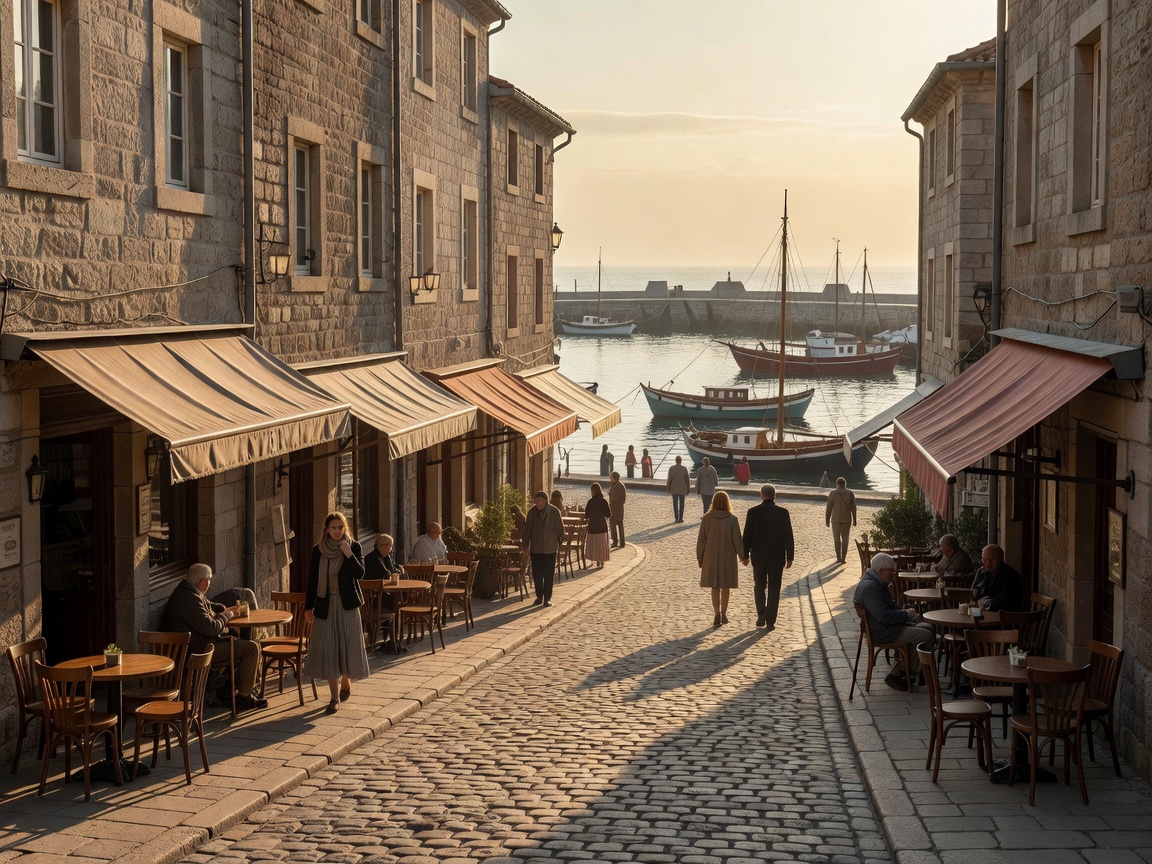
A promenade can connect districts, offer room to pause and give residents and visitors a shared view of the harbour. Its quality depends on human scale: comfortable walking surfaces, shade, seating, clear crossings and meaningful connections to streets and public transport. Access to the water should be considered alongside operational needs, safety and environmental protection. A visually impressive edge may feel less generous if it is difficult to reach or separated from the town by barriers.
Waterfront regeneration can bring renewed public spaces and new activity, while also raising questions about local access, community benefit and the continuity of everyday uses. Tourism is part of many port economies, but a destination’s waterfront should remain legible as a place where people live and work. Observe whether local businesses, civic uses and ordinary routes remain present alongside visitor-facing development. Good stewardship balances the appeal of a coastal setting with respect for its communities and heritage.
Heritage deserves careful attention without relying on unverified labels. Buildings and port landscapes may have protections or local significance, but official designations, architects, dates and project histories should be checked with authoritative sources. As a visitor, avoid assuming that every old-looking façade has a particular status. Notice the relationship between scale, materials, street pattern and the contemporary life around it.
Architecture-observation checklist
- Notice how streets, quays and public paths connect to the water.
- Compare building scale and materials along historic and contemporary edges.
- Look for shade, shelter, seating and accessible public routes.
- Observe the working harbour activity that shapes the surrounding architecture.
- Consider who can use the waterfront and how local life sits beside visitor spaces.
- Verify heritage claims and building histories with official local sources.
Architecture makes the coast readable. It shows where a town meets its harbour, how people move through that boundary and what a community chooses to preserve or change. The most rewarding observation is attentive rather than comparative: each port has its own geography, climate, history and living culture.